1. Describe and locate
The team asks where the smell is strongest, how long it has been there and what could have died, then plans the search.
Queen City, TX · Cass County
A bad smell keeps getting stronger in Queen City and flies are gathering near a vent. Call (877) 812-4220 at any hour to get dead animal removal, fluid cleanup and odor removal.
If anyone is in danger, call 911 first. For a suicide crisis, call or text 988.
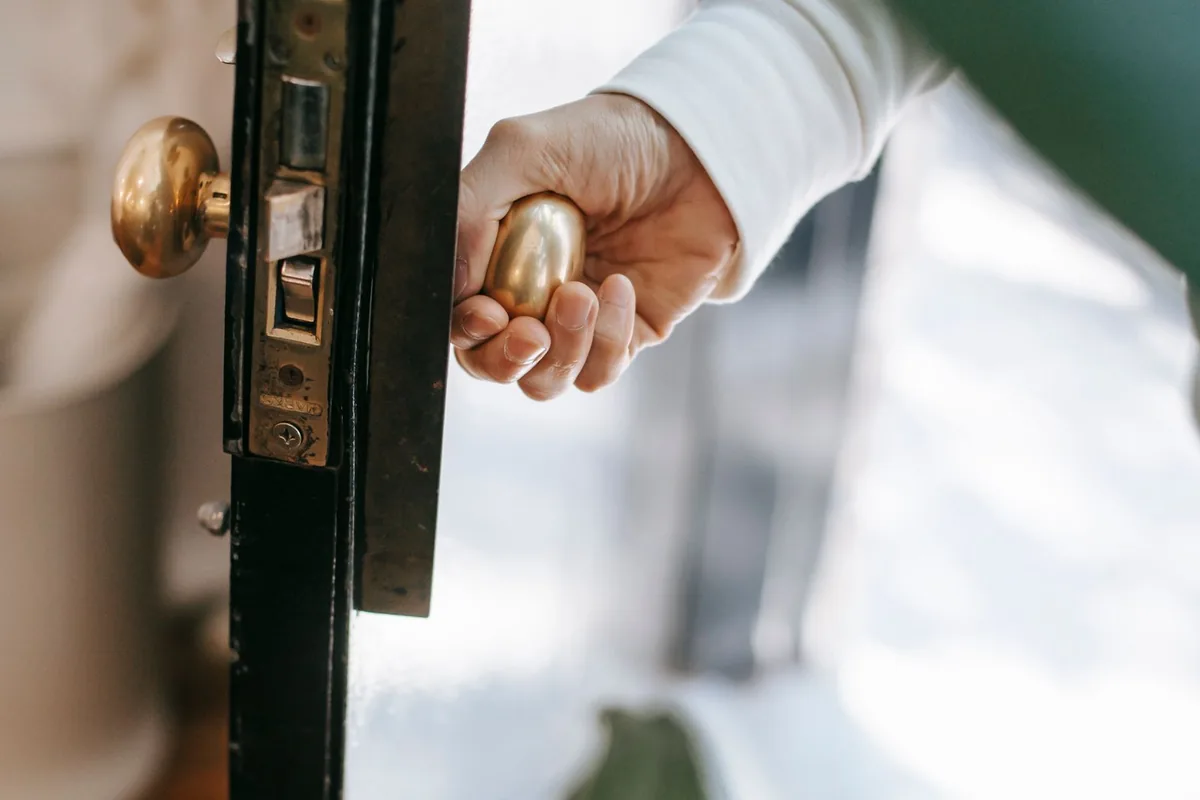
Dead animal odor removal means treating the source of a smell that does not fade with air fresheners. It involves locating the carcass, removing it and any soaked materials, and neutralizing odor in the area.
Need residential or commercial dead animal cleanup in Queen City or nearby parts of Cass County? Wherever it is in your property, whether walls, ceilings, duct runs, chimneys, crawl spaces, porches or storage rooms, call Queen City Biohazard Cleanup Help.
About 16% of housing in Cass County is vacant, and empty homes, sheds and outbuildings are common places for animals to die unnoticed. Many homes in Queen City, about 56%, were built before 1980. Older insulation and wood framing soak up fluids and hold odor for a long time.
A typical dead animal removal & cleanup job includes:
The team asks where the smell is strongest, how long it has been there and what could have died, then plans the search.
Technicians put on gloves, respirators and suits, then remove the animal and seal it in heavy bags for disposal.
Wood, concrete and drywall are washed and disinfected, and heavily stained porous materials are replaced.
Joists, subfloors and walls are disinfected and deodorized, and the crew lists any repairs for other trades.
Most dead animal removal & cleanup jobs in Queen City, TX cost between $150 and $250, based on published cost guides.
Odor treatment needs vary. A closed room is simpler to treat than a house where the smell has spread through ducts and vents.
| Type of job | Typical range |
|---|---|
| Dead animal removal | $150 - $250 |
| Dead animal removal | $150 - $250 |
These ranges come from published cost guides (Bob Vila, HomeAdvisor) and are not a quote for Queen City. Price drivers include where the animal is, whether walls must be opened, size of the animal, odor and cleanup afterward. For a real number, call (877) 812-4220.
Sometimes, but not always. Many homeowners policies exclude damage from animals or pests, and wording differs. Call your insurer before work starts, take photos and keep receipts, and ask what paperwork it needs.
Sometimes. A small animal in plain sight can be bagged with gloves and a heavy bag, sealed and disposed of properly. Hidden, large or long-dead animals are a different job, because fluids soak into materials and germs can spread.
The crew follows the odor, checks vents, attic access and crawl spaces, and looks for flies and stains. Sometimes a small camera or a small opening in drywall is needed. Once the animal is found, it is removed and the area is cleaned.
Rules vary by city and county. Animal services or public works often remove animals from public roads and property, while private property is usually the owner's responsibility. Call your city or county animal services to learn what applies.
The smell comes from the carcass and any fluids, so the animal has to be found and removed. Air fresheners only cover it. After removal, the area is cleaned and treated, which usually clears the smell.
Rules for removing and disposing of dead animals vary by city and county, and animal services handle public property in many places. Worker safety follows OSHA rules for contaminated materials. Ask your city or county what applies where you are.
Call (877) 812-4220 any hour and describe the smell and where it is strongest.
Call (877) 812-4220